
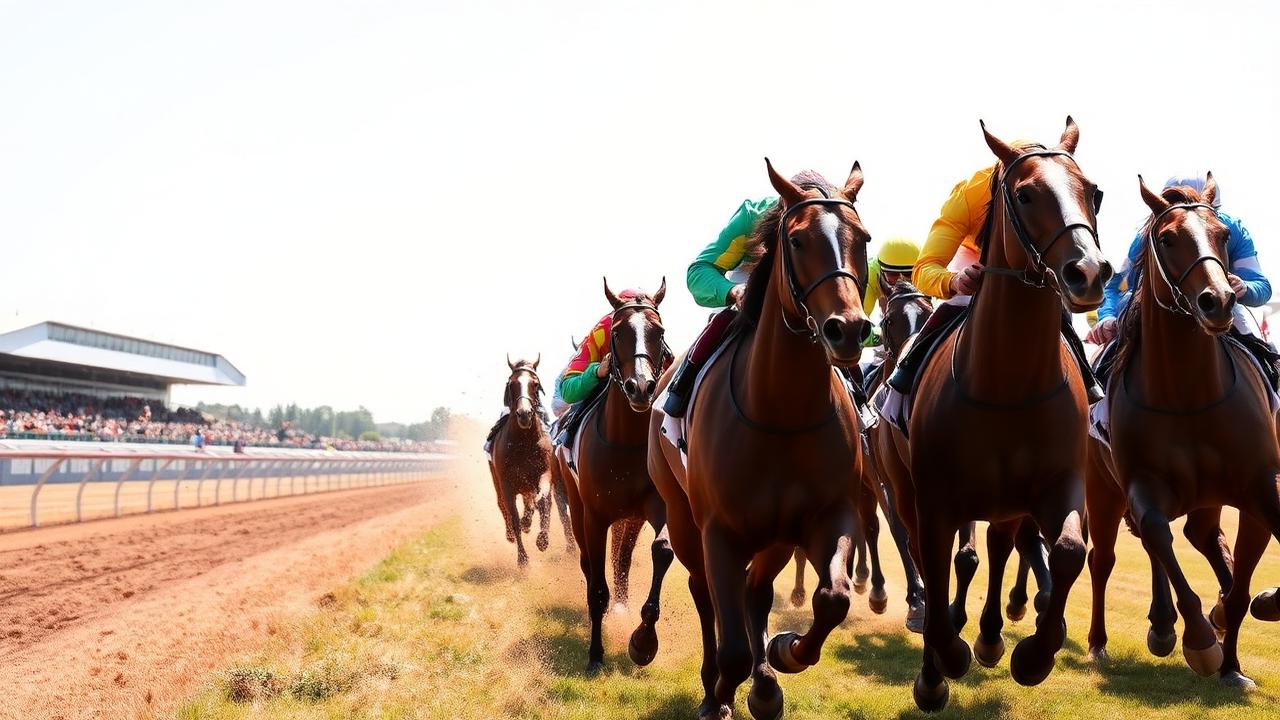
What is the best footing for a training track?
Training surfaces need consistent depth, controlled concussion, and drainage that keeps the track open in wet weather. A stabilized base with a uniform surface protects legs at speed and keeps the track riding the same from rail to rail.
What racing demands from footing
Consistent from rail to rail
Variation in depth at speed is where injuries start. Uniformity is the safety feature.
Controls concussion at gallop
The surface has to absorb repeated impact without becoming loose or deep.
Drains and reopens fast
Lost training days are expensive. Drainage and base stability decide how quickly you are back.
What racing riders ride on today
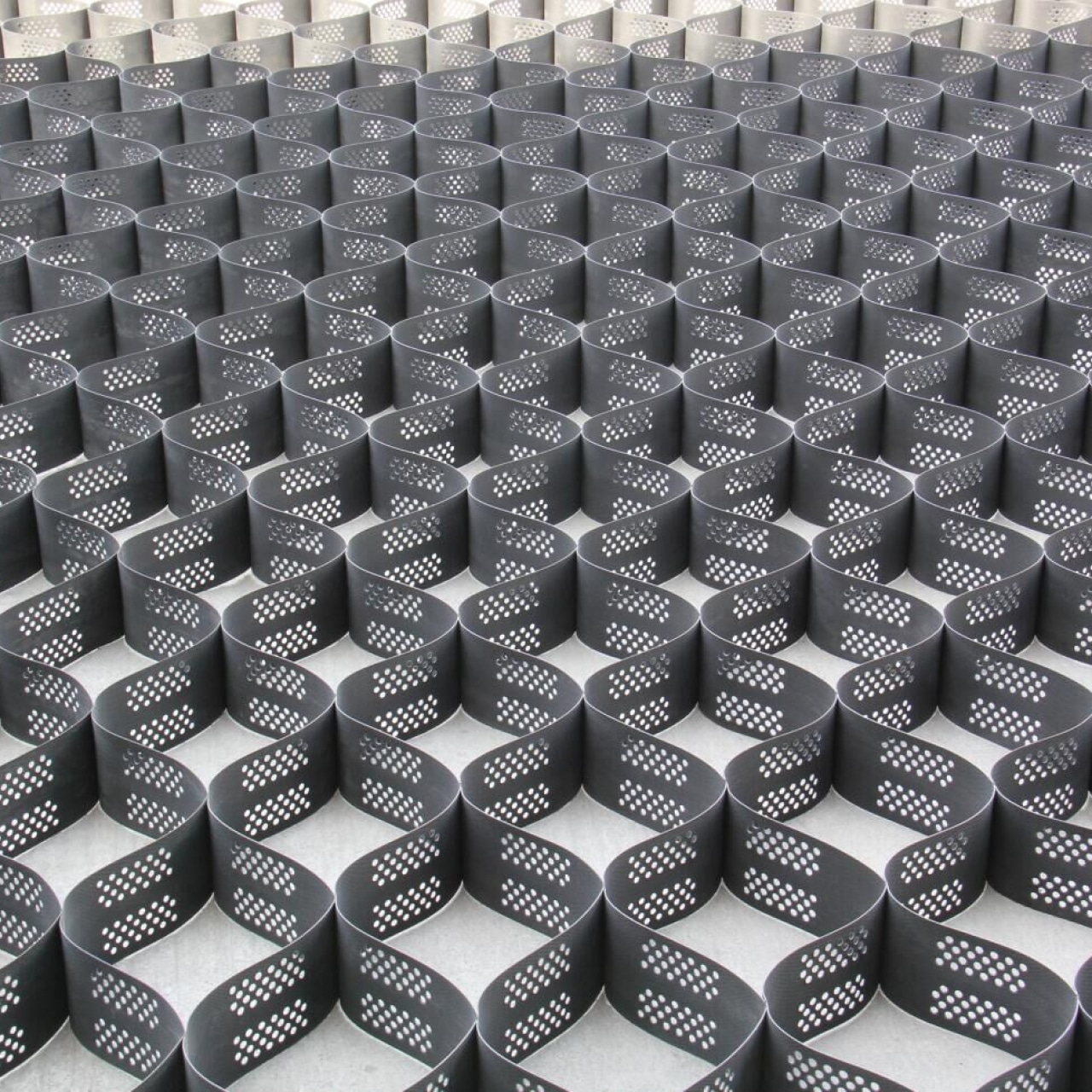
BaseCore™ Geocell
Base & Ground Stabilization
Stabilizes the base so the track holds its profile under repeated fast work.
From $79.00 · per panel
View / Add to Cart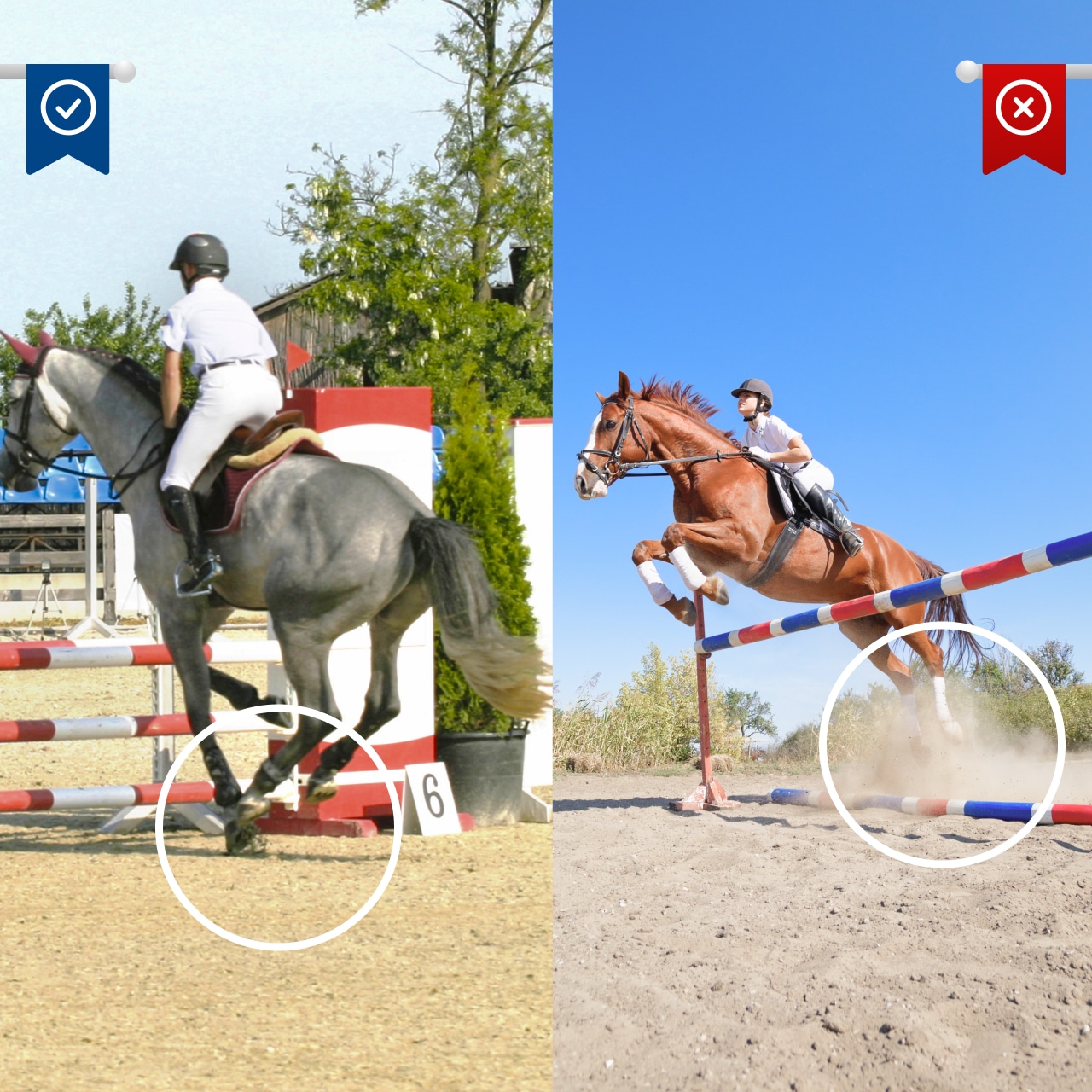
DustHalt™
Dust Control Between Waterings
Keeps the track breathable through dry-weather training between waterings.
$399.00 · 22 lb bucket
View / Add to Cart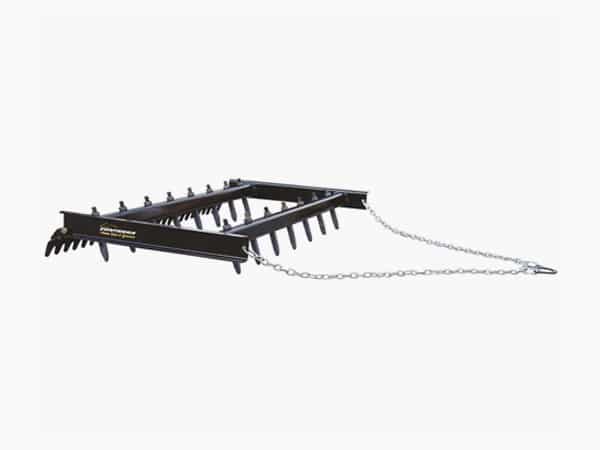
Arena Groomers & Drags
Surface Maintenance
Maintains a uniform surface rail to rail between sets.
From $1,145.00
Compare groomers
SprinklAir™
Automatic Arena Watering
Even moisture over a long surface without hand-watering.
$719.00
Quick Quote
COMING October 2026
New for racing riders — FIBR™ · LOCK™ · HOLD™. COMING October 2026.
For training surfaces, the new line targets consistent depth and moisture with far less watering.
Racing footing questions
Explore other disciplines
Dealing with a specific problem? Ground stabilization
Pillar: Discipline-Specific Footing
Discipline-specific footing reading
Best 5 Arabian Horse Footing: The Complete Guide
Arabian horse footing compete in more disciplines than almost any breed. Learn why the right arena footing protects their movement and maximizes performance.
Your Arena Footing Guide By Discipline | Performance Footing
Arena footing is critical in ensuring long-term health and success across various disciplines. Follow this arena footing guide by discipline in choosing one.
Best Dog Agility Arena Footing | Performance Footing Solutions
Using proper Dog Agility Arena Footing can unleash the full potential of your pet to compete while avoiding injuries. Find out the best footing options.
How Big Should the Dressage Arena Size Be? | Arena Footing Experts
Do you still need clarification about how big your dressage arena size should be? We suggest building a 100 feet by 200 feet arena. Learn more.
Benefits of Footing for Horse Training Facility | Performance Footing
Installing reliable horse footing can make your arena last even for a lifetime. Learn below the footing for horse training facility that stands out.
Footing Options for Dressage Arena | Performance Footing
Choosing the right footing is about picking a material and keeping your arena consistent. Here are the best footing options for dressage arena.