
FIBR, LOCK, HOLD and FLEX: What Each Footing Product Actually Does
Plain-language guide to the Performance Footing® system — FIBR for structure, LOCK for moisture and dust, HOLD for natural moisture retention, and FLEX for cushion.
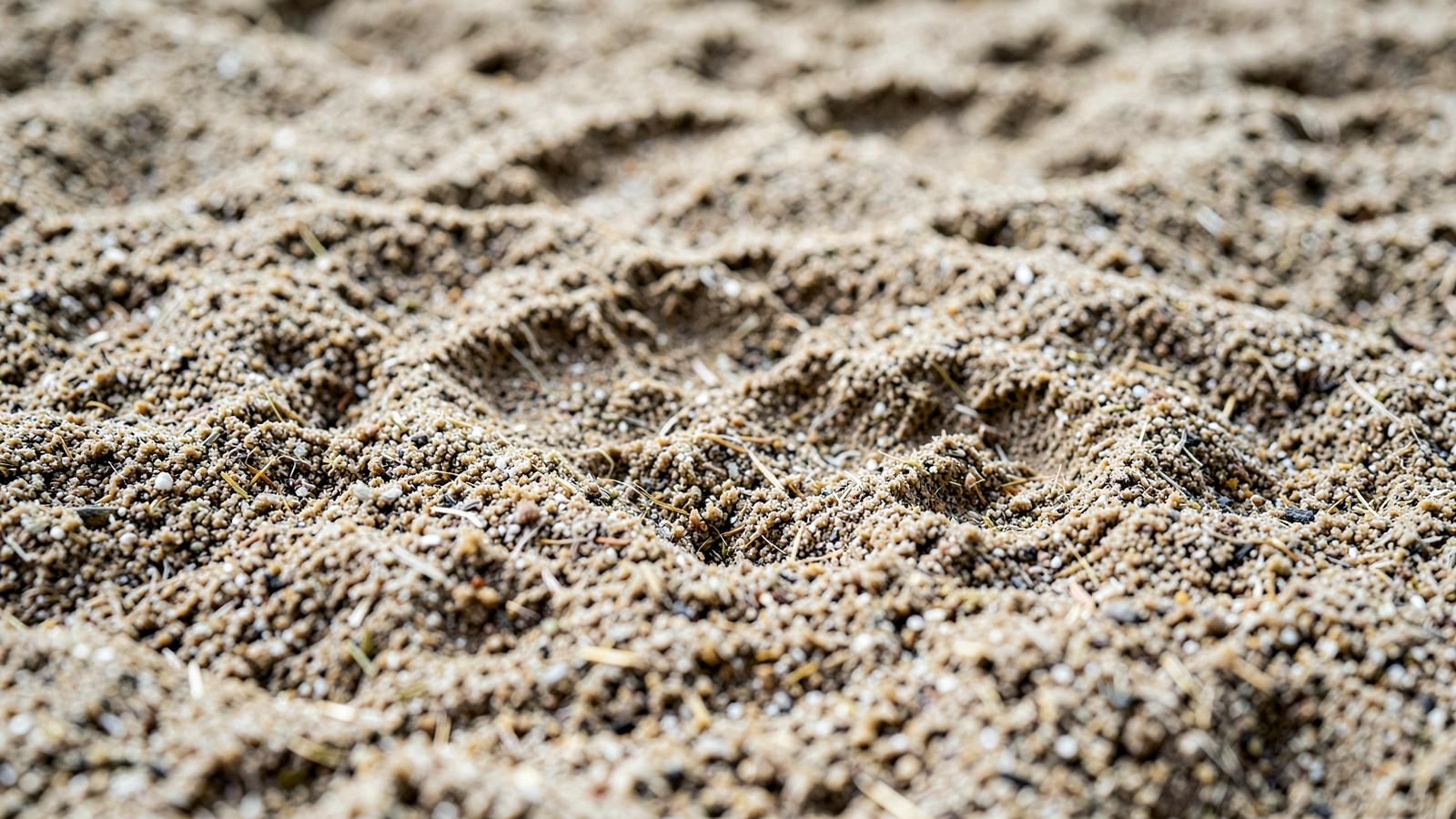
Most footing conversations start with a product name. They should start with a problem. Performance Footing® builds engineered surfaces around four roles — FIBR™ for structure, LOCK™ for moisture and dust control, HOLD™ for natural moisture retention, and FLEX™ for cushion. Understanding what each one does is the fastest way to stop guessing and start specifying.
Quick answer
| Product | Role | Choose it when |
|---|---|---|
| FIBR™ | Structure, shear control, traction | Footing shifts, tracks deep, or blows out in corners |
| LOCK™ | Moisture management and dust control | You water constantly and still fight dust |
| HOLD™ | Natural moisture retention, no chemicals or petroleum | You want moisture held longer with 100% natural material |
| FLEX™ | Cushion and impact absorption | The surface rides hard and concussive |
FIBR — structure and traction
FIBR is the skeleton of the surface. Blended into sand, it knits loose grains together so the footing holds its shape under lateral load: turns, stops, takeoffs, and repeated traffic on the same track. Facilities that add FIBR usually notice the difference first in the corners and along the rail — the places that wear out before anywhere else.
Signs you need more structure: deep tracking, sand pushing to the edges, footing that feels different at the ends of the arena than in the middle.
LOCK — moisture and dust control
LOCK addresses the water problem. It helps the surface hold moisture between waterings and keeps fine particles from lifting into the air. If you are running sprinklers twice a day and still riding through haze, the issue is almost never your water schedule — it is a footing composition that cannot retain what you put on it.
Signs you need LOCK: visible dust within minutes of watering, a surface that dries unevenly, respiratory complaints from riders or horses.
HOLD — natural moisture retention
HOLD does the moisture job with a 100% natural material — no chemicals, no petroleum. It is the choice for facilities that want longer intervals between waterings while keeping the surface as simple and natural as possible. HOLD and LOCK are specified based on your climate, water access, and how the arena is used.
FLEX — cushion
FLEX controls how hard the surface rides. Enough cushion protects joints and tendons; too much creates a surface horses have to work through. FLEX is tuned to discipline — a jumper landing needs different energy return than a dressage court or a reining pen.
The blend matters more than the product
None of these work in isolation. Structure without moisture control creates dust. Cushion without structure creates deep, unstable footing. The right specification depends on your existing sand gradation, your climate, and the discipline you ride — which is why we test before we recommend anything.
Frequently asked questions
Do I need all four products?
Almost never. Most arenas need one or two roles addressed. A sand analysis shows which ones.
What happened to "Condition"?
That term has been replaced by LOCK™, which covers moisture management and dust control.
Can I add these to my existing sand?
Usually, yes. The starting point is a sieve analysis of the sand you already own — see our sieve analysis guide.
How long does a blend last?
Properly specified and maintained, a blended surface performs for years. Maintenance and watering discipline matter more than product age.
Next step
Send us your sand and how you ride, and we will tell you which roles your arena actually needs. Book a free arena consultation or read the complete guide to arena footing.