
Arena footing & surface guidance for Washington
Arenas, Round Pens & Covered Facilities Built for Washington's Pacific Northwest Climate
Performance Footing is your expert consultant for Washington arena construction — whether DIY, with your contractor, or turnkey. Engineered for heavy rainfall, varied climate zones, and the Evergreen State's diverse conditions.
Performance Footing is a manufacturer — we do not perform construction. An independent contractor (or you, if DIY) handles site work. Builder referrals available on request; the builder contracts with you directly.
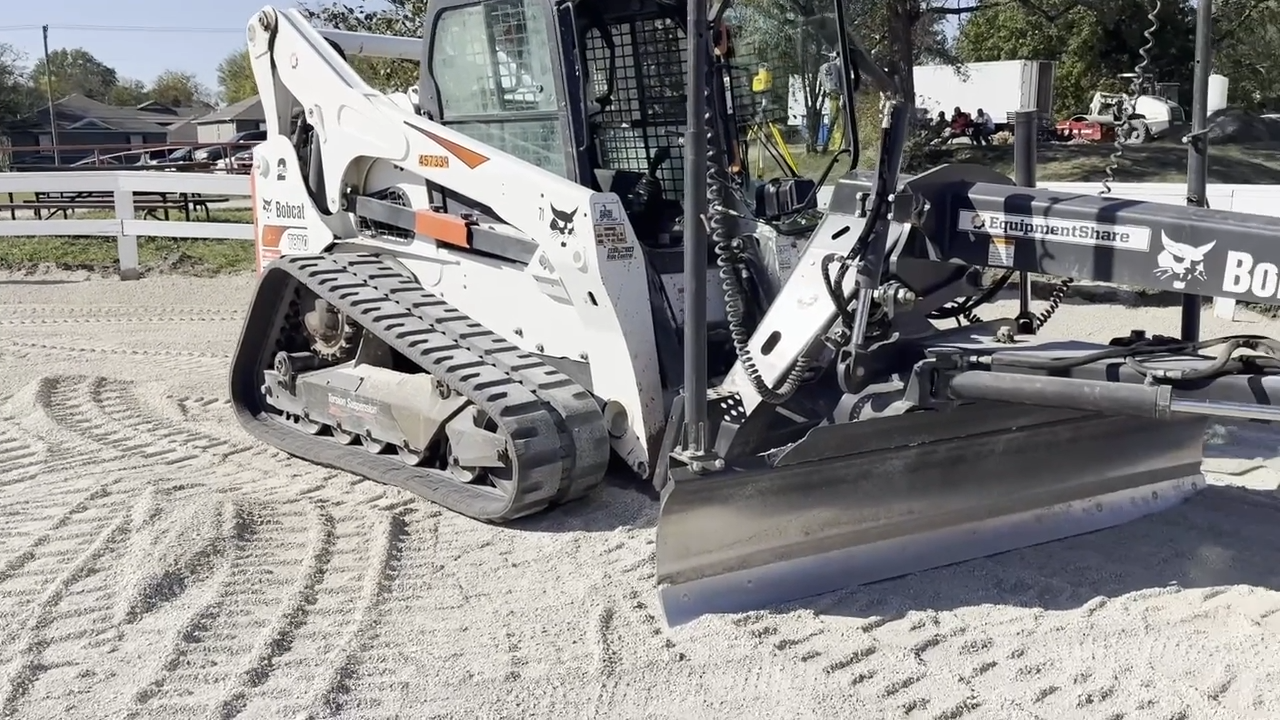
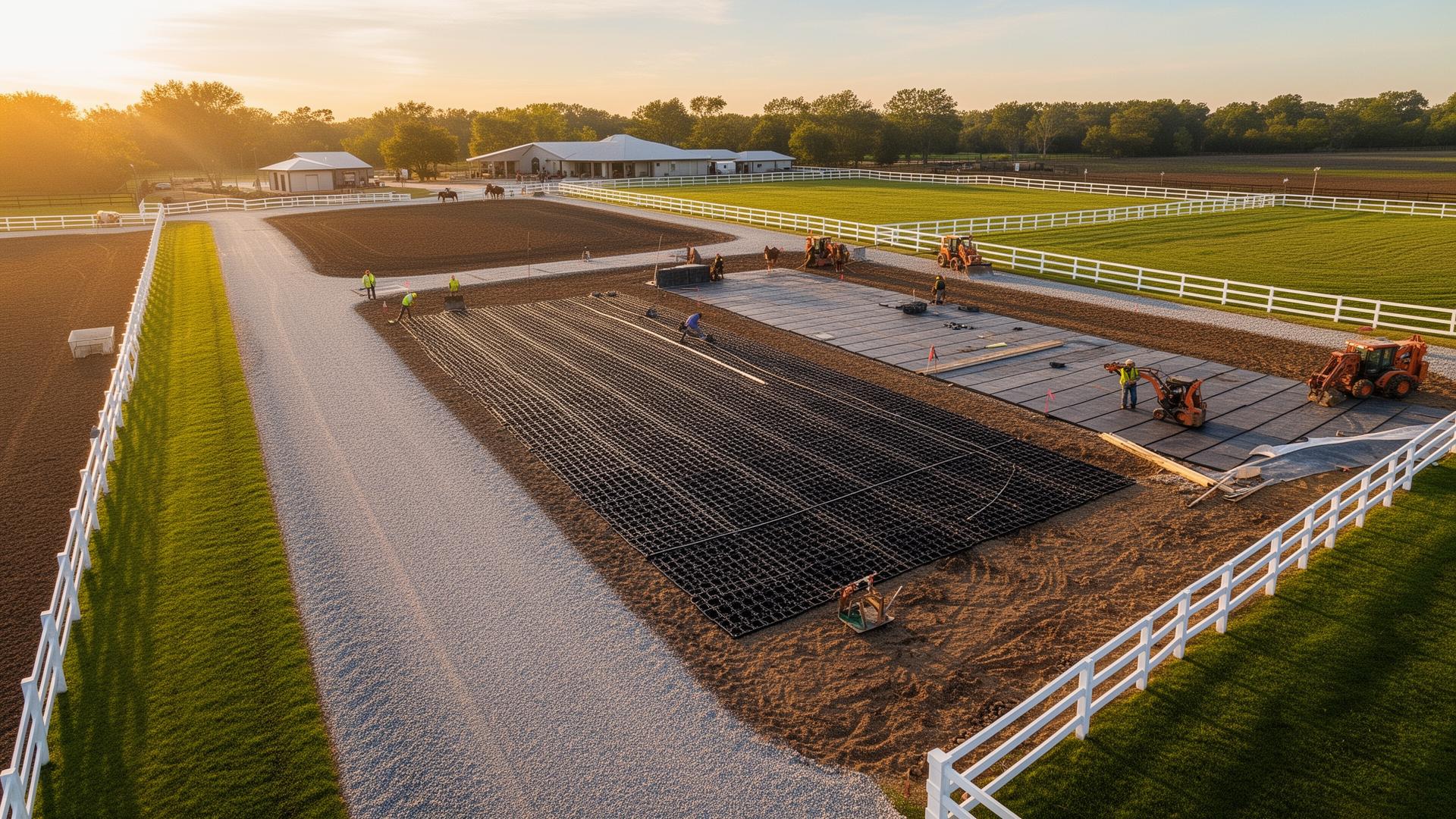
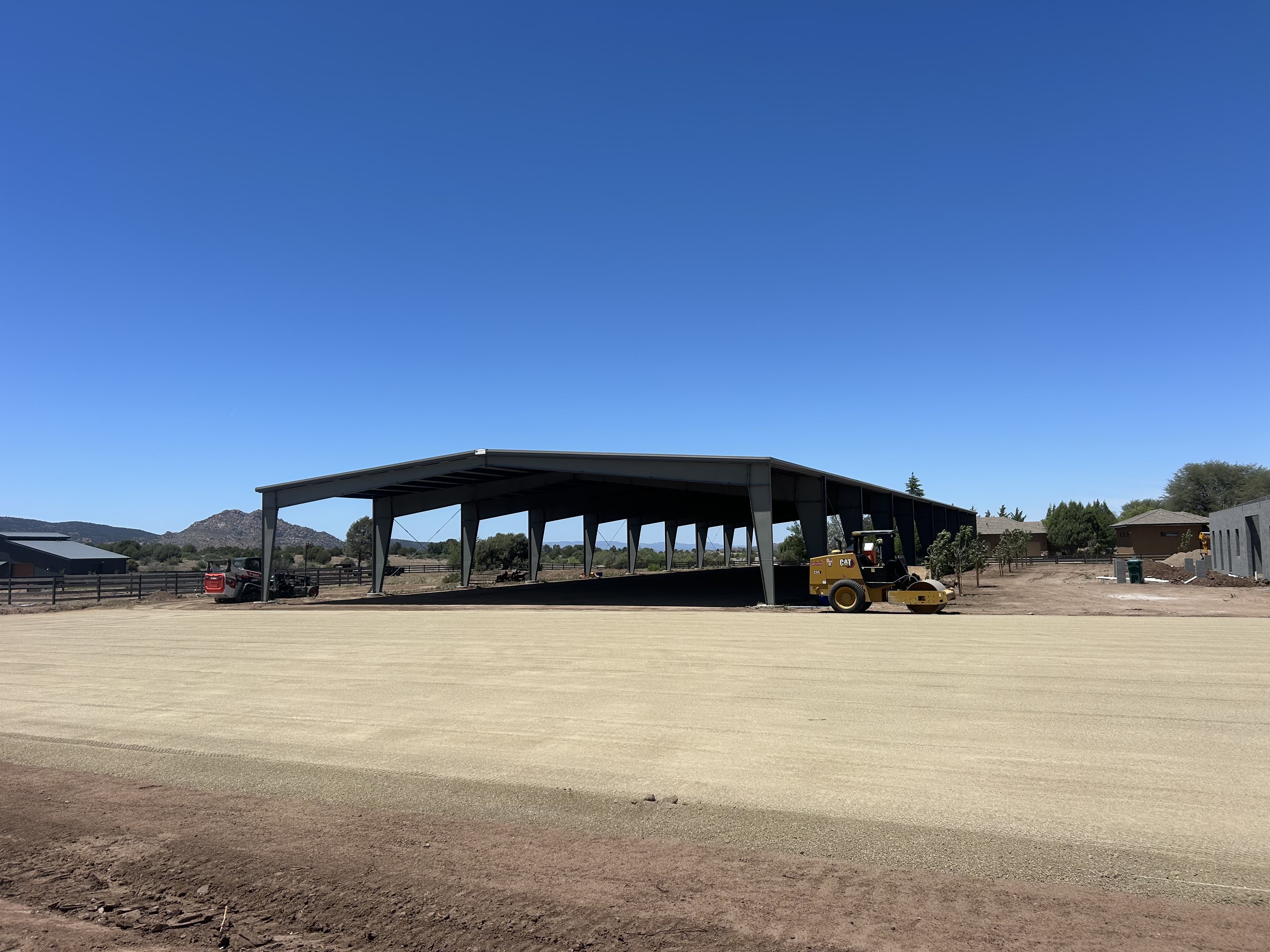
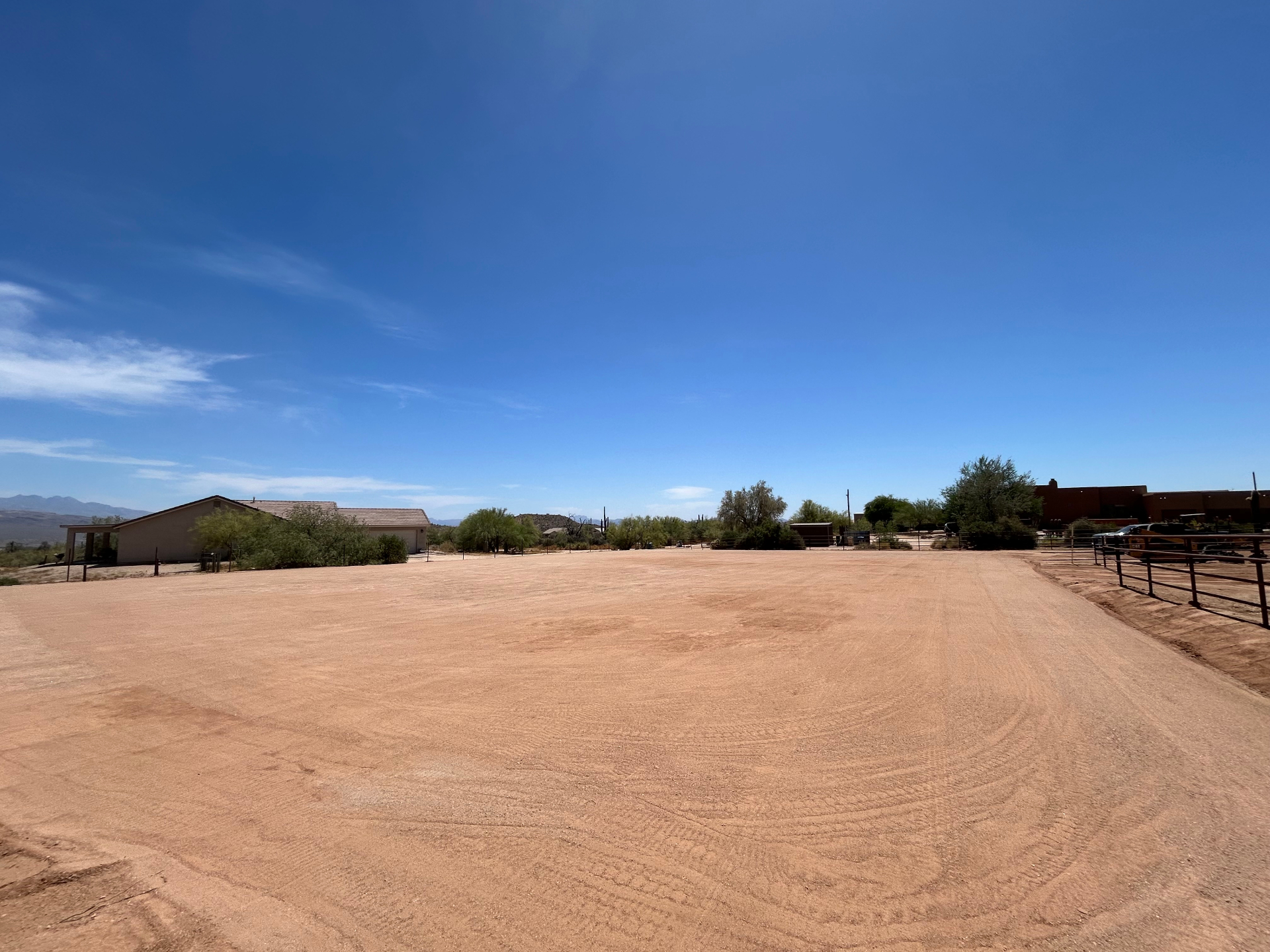
Recent Arena Projects



Why Location Matters
What Washington conditions mean for your arena
Washington's geography creates dramatically different arena challenges across the state. Western Washington receives 35–80 inches of rain annually with gray drizzle for months, making drainage the primary concern. Eastern Washington is semi-arid with only 8–15 inches of rain and chronic dust issues. The Puget Sound region features clay-heavy glacial soils that become waterlogged. Central Washington has volcanic soils with unique properties. Mountain passes create isolation that can complicate material delivery.
Common Washington surface challenges
Extreme western rainfall
35–80 inches annually in western Washington creates year-round drainage challenges.
Eastern desert dust
Semi-arid regions receive only 8–15 inches of rain with chronic dust issues.
Glacial clay soils
Puget Sound clay becomes waterlogged during the wet season (October–June).
Volcanic soils
Central Washington's volcanic soils drain differently and require specialized approaches.
Regional isolation
Mountain passes can delay material delivery and complicate logistics.
Your Path Forward
Find the right approach for your Washington arena
If it's important, it's not worth compromising.
Every arena is different. Whether you need to improve what you have, plan a new build, or maintain a surface that's already performing — the recommendation starts with your conditions.
DIY with Expert Support
You manage construction. We provide region-specific guidance for Washington's dramatically varied conditions.
Your Contractor, Our Specifications
You have a builder. We equip them with specifications tailored to your specific Washington location.
Turnkey Construction
Complete arena construction engineered for Washington — from Seattle to Spokane to the Tri-Cities.
ArenaSpec™ System
Built on FIBR, FLEX, and LOCK for Washington conditions
Performance Footing offers proven additives that perform through Washington's diverse climate conditions. Choosing an additive is optional — we support arena builds with or without them.
FIBR
Stability & TractionImproves traction, shear control, and surface integrity so footing stays secure under load and consistent through turns, transitions, and repeated traffic.
FLEX
Cushion & ReboundKeeps the surface from feeling flat, hard, or overly compacted by improving give, energy return, and overall comfort under foot.
LOCK
Moisture & ConsistencyManages dust, supports uniform moisture behavior, and reduces day-to-day swings that make a surface ride too dry, loose, or firm.
When a Stronger Base Is Needed
BaseCore HD geocell stabilization
Not every arena needs a new base — but when soil conditions, drainage issues, or heavy use demand it, BaseCore provides a proven foundation. It's one option within a broader recommendation, not the default.
less aggregate material required compared to traditional methods
of BaseCore equals 12 inches of gravel in load-bearing capacity
lbs/sq ft tensile strength with double-weld seams
year design life — UV, chemical, and weather resistant when installed over suitable subgrade and maintained appropriately
Regional support across Washington
Seattle & Puget Sound
Seattle, Woodinville, Redmond, Issaquah, Snoqualmie, Enumclaw, Duvall, Carnation
Spokane & Eastern Washington
Spokane, Spokane Valley, Cheney, Medical Lake, Deer Park, Colville
Tacoma & South Sound
Tacoma, Puyallup, Graham, Orting, Yelm, Olympia, Lacey, Centralia
Bellingham & Northwest
Bellingham, Lynden, Ferndale, Everson, Sumas, Mt. Vernon, Sedro-Woolley
Tri-Cities & Columbia Basin
Kennewick, Richland, Pasco, Prosser, Walla Walla, Yakima, Ellensburg
Vancouver & Southwest
Vancouver, Camas, Washougal, Battle Ground, Ridgefield, La Center, Woodland
Start with your Washington arena
Tell us what you have, what you're working with, and what you want to improve. We'll help you determine the right next step for Washington conditions. If you'd like a builder introduction, we can connect you with an independent partner on request.
Washington Reading
Guides riders in Washington reference before building
Arena Construction & Base
Compaction Testing for Arena Bases: A Complete Guide
Learn how proper compaction testing creates stable arena bases, paddocks, and turnouts. Discover ASTM standards, Proctor testing, and geocell solutions.
Arena Footing Systems
FIBR, LOCK, HOLD and FLEX: What Each Footing Product Actually Does
Plain-language guide to the Performance Footing® system — FIBR for structure, LOCK for moisture and dust, HOLD for natural moisture retention, and FLEX for cushion.
Drainage & Stabilization
Why Geotextile Fabric Is Key to Proper Drainage in Horse Arenas
A well-drained equestrian arena is essential to the safety of horses and riders. Learn why geotextile fabric is key to proper drainage in horse arenas.
Watering & Dust Control
Self‑Watering Horse Arena Solutions | Performance Footing
A dry, dusty arena poses serious respiratory risks and creates a hazy environment for training. Explore self‑watering horse arena solutions to control dust.
Arena Maintenance & Drags
Best Arena Groomers For Horse Arenas | Performance Footing
Without a well-groomed riding surface, you might put the health and safety of your horses at risk. Here are the best arena groomer options for easy maintenance.
Arena Sand & Testing
Guide to Horse Arena Sand Types & Installation | Performance Footing
The most critical decision when building a horse arena is choosing the right horse arena sand. Explore this guide to selection, types, and installation.